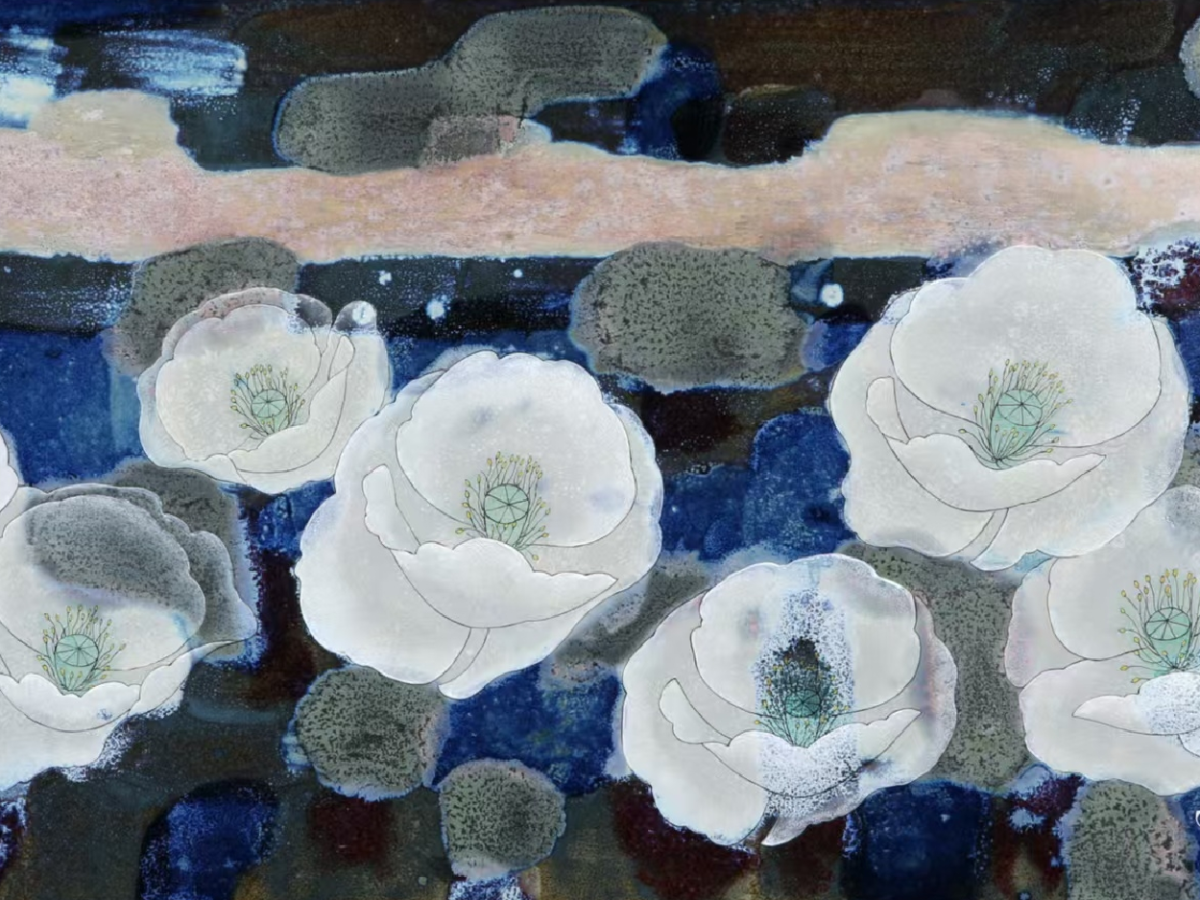
Earthenware work reflects a remarkable practice variety with a prolonged record, stretching back myriad of decades. From ancient vessels to current showcases, the medium offers unequalled possibilities for creative performance. Creators apply distinct techniques – including hand-building, wheel shaping, and developed firing processes – to fashion humble silt into evocative three-dimensional forms. The sturdiness of fired porcelain also contributes to its status as a truly lasting part of human heritage.
Delving into Stoneware Sign Compositions and Techniques
The realm of ceramic tile design offers a expansive array of imaginative possibilities. Artisans often exercise a integration of established and innovative techniques to create visually impressive pieces. These can extend from simple, molded reliefs to complex, multi-layered layouts. Standard methods include form mold, manual molding, finishing glaze – which can involve various styles like base glaze illustration, outer glaze enhancement, and sgraffito where designs are made visible by eroding a layer of shell. Expanded inquiry into overlay methods such as cold firing and shimmer glaze can bring about truly exceptional and tailored earthenware tiles.
- Slip Casting - Assembling pieces using a design
- Artisanal Molding - Accurately crafting the material
- Glazing - Smearing the layer with a glossy finish
- Scratched decoration - Uncovering designs by eroding shells
Absorbing Experiences: Clay Art Assemblies
The transforming landscape of craftsmanship presents exciting fresh avenues for witnesses, and ceramic art installations are at the front line of this trend. These aren't just static statues; they are fashioned to envelop the visitor in a sensory space. Imagine navigating within a forest of towering, fired ceramic trees, or navigating a mesh of exquisite ceramic vessels. Many creators are now incorporating noises, visuals, and even smell to enhance the impression of their work. Think about the power of a room filled with hundreds of thoughtfully ceramic creations, each telling a anecdote. Commonly, such installations scrutinize themes of ecosystem, recollection, and personhood.
- These installations blur the edges between creation and setting.
- Observing a ceramic art installation can be a deeply transformative journey.
- Designers are transporting the parameters of what is realizable with clay.
This Attractiveness of the Clay Holder: Function and Appearance
The brick container represents a extraordinary combination of convenience and artistic appeal. Historically, these holders served a primary duty in sustaining contents, but their progression has transformed them into highly valued works of mastery. Each element showcases the talent of the sculptor, demonstrating how form can be as crucial as operation. The precise shaping, the individual glazes, and the aggregate presence of a finely-produced jar can boost a space, offering both elegance and a modest reminder of the maker’s hand.
Contemporary Earthenware Figure : Testing Boundaries
Current earthenware figure represents a fascinating development from traditional practices. Makers are vigorously challenging with modern procedures, questioning the boundaries between artwork and distinct aesthetic categories. From immense installations to ornate miniature pieces, these works investigate themes of environment while together revolutionizing the core of what stoneware can realize. The byproduct is a active sphere of expressive articulation.
Brick Badge: Keeping Record in Stoneware
Porcelain plaques offer a exceptional method for commemorating significant events and beings. Opposite of traditional metal or stone markers, these sturdy pieces of mastery are formed from kilned clay, creating a material link to the history. Regularly, they depict intricate carvings ceramic art installation or hand-painted imagery, telling stories that might otherwise be passed over. One technique, linked to ancient tribes, provides a stunning and enduring way to honor our collective record.
- The mentioned can be located in shared spaces.
- Numerous are now accepted historical valuables.
Stoneware Art Creations: Redefining Places
Stoneware art installations are developing a significant medium for artisans to remodel public and private settings. These immersive compositions frequently involve grand clay structures that engage viewers, reshaping their interpretation of the constructed environment. By combining diverse approaches like coil construction and complicated firing approaches, ceramic artists create truly singular experiences, challenging the frontiers between creation and architecture. The product is often a moving evolution that enriches the expressive quality of the location and cultivates interaction.
From Rotating Wheel to Marvel: The Practice of the Clay Holder
The journey of a ceramic jar from a simple lump of clay to a polished work of art is a testament to human talent. Classicall, the process initiates with the potter’s circular platform, where the talented artisan creates the spinning earth into a cylindrical form. This primary component demands accuracy and a attuned eye, followed by a delicate dehydration period. Once initially cooked, the receptacle is ready for embellishment, which may consist of decorating intricate designs, cutting detailed portraits, or using a range of surfaces. The final curing process then renders the component into a durable and stunning jar, a tangible symbol of the potter's dedication.
Crafting with Porcelain: A Guide to Pottery Work
Immersing the landscape of ceramic creation begins with comprehending the cornerstones of fashioning with clay. The technique demands attentively constructing and cutting material to form three-dimensional pieces. Regardless of you're a learner or a veteran practitioner, playing with assorted varieties of stoneware – notably pottery – will promote you discover your unique approach. In the end, clay working is a gratifying experience that integrates specialized competence with innovative manifestation.