Launching
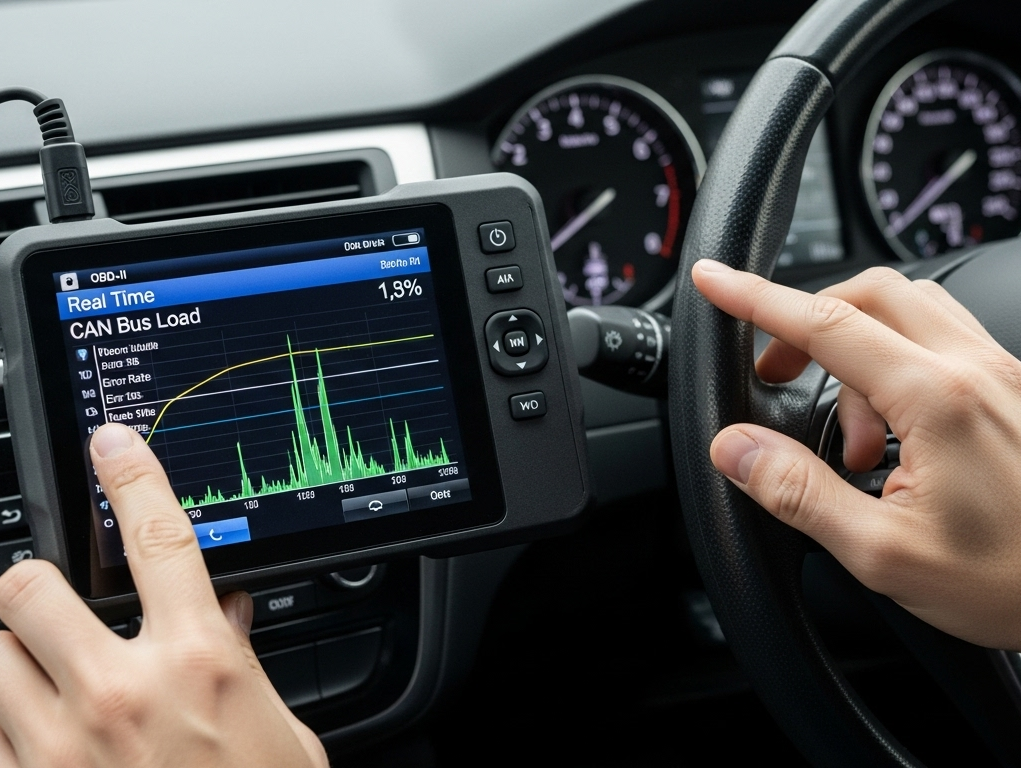
A surging difficulty pertaining to contemporary autos obliges an detailed awareness of diagnostic procedures, particularly about On-Board Diagnostics II (OBD2) and Tire Pressure Monitoring Modules (TPMS). Among Europe, Asia, and the US, these technologies function using separate frequencies. OBD2 specifications are largely aligned globally, largely utilizing ISO 9141-50, KWP2000, CAN, and others, but regional adoptions can generate minor nuances. TPMS, however, is where major frequency variations emerge. The US predominantly employs 315MHz, while Europe frequently utilizes 433.92MHz, and Asia reveals a more heterogeneous range including both frequencies and extra bands. As a result, reliable diagnostic hardware must be loaded with the aptitude to comprehend these countless frequencies to assist effective resolution and maintenance.
Decoding TPMS Sensor Frequencies: A Global Guide (Europe, North America, Asia)
Understanding rubber watching contraption (TPMS) reader rates along the domain turns out to be tricky. Commonly, North territories chiefly utilize 315 MHz, whereas some modern vehicles have 433 MHz. Conversely, Europe and most of Asia primarily serve on the 433 MHz bandwidth, with some district variations present chiefly in definite Asian areas. As such, pivotal to validate the right signal before purchasing TPMS readers to secure match and prevent prospective troubles.
Electric Vehicle Scanners: OBD2 Compatibility and TPMS Integration
State-of-the-art voltage-driven automobile diagnostic tools are increasingly including crucial functionality, regarding centered on both conventional On-Board Diagnostics II (OBD2) interface and Tire Pressure Monitoring System (TPMS) integration. Multiple zero-emission engines utilize OBD2 ports for collecting necessary system metrics, facilitating technicians and owners to spot possible errors. Furthermore, smooth TPMS integration provides exact tire tension figures, supporting to improved welfare and energy performance. This synergy of OBD2 inputs and TPMS functionality illustrates a major breakthrough in EV transport diagnosis.
Tire Pressure Frequency Inequalities: The EU vs. North American Zone vs. Far East - A Exhaustive Analysis
All systems responsible for observing tire force—TPMS—operate on separate radio channels, leading to essential regional differences. American Continent predominantly utilizes 315 MHz, though some contemporary vehicles are moving to 433 MHz. Eurozone mandates 433.92 MHz, a fixed frequency to guarantee coordination across jurisdictions. The East exhibits a multifaceted landscape, with reserved lands using 315 MHz, others 433 MHz, and still different nations employing a amalgamation of both. This distinction brings challenges for service centers and drivers when dealing with replacement TPMS sensors or diagnostic devices, obliging careful authentication of regional standards to sidestep errors and establish proper operation of the TPMS.
OBD2 Scanners for Electric Vehicles: TPMS Analysis & Frequency Understanding
Up-to-date auto inspectors are consistently expanding to accommodate battery autos, specifically with respect to tire system monitoring assessment. Unlike gasoline autos, electric vehicles present individual obstacles when it comes to air pressure management examination. Many electric rides use various pressure monitoring units spectra requiring the reader to correctly translate the transmission in use. This capacity authorizes engineers to simply check wheel pressure but also determine the particular wave being emitted by the tire monitoring modules, enabling in correct diagnosis of bugs.
Asia TPMS Radio Waves: What Must Understand?
Dealing with the world of auto TPMS can be a difficulty, primarily due to the varying wavelengths utilized across Continental Europe, Asia, and the United States. Continental European vehicles predominantly use 433.92 MHz, while numerous Asian countries employ 315 MHz and 433.92 MHz, creating a difficult situation for service providers. In the US, both 315 MHz and 433.92 MHz are popular, with 315 MHz being more typical. Therefore, understanding these regional contrasts is critical for accurately attending to TPMS difficulties and selecting the appropriate programming tools.
Progressing an Primary Elements: Transport Diagnostics, Battery-Powered Motorcars, along with Tire Pressure Monitoring System Apparatus Rate Deciphering
Considering expert auto professionals, just fathoming a key aspects of vehicle data, electric motor vehicle frameworks, combined with tire surveillance transmitter signal deciphering represents one significant subsequent degree. The latter areas venture about introductory approaches, calling for advanced devices as well as expertise in order to appropriately spot or correct tough problems dependent on wheel systems, volt setup performance, even motor malfunction warnings. As well, correctly detecting tire sensor systems equipment channels – regularly range during different makes or versions – often necessary for effective adjustment.
EV System Analysis: Using OBD2 Scanners to Troubleshoot TPMS
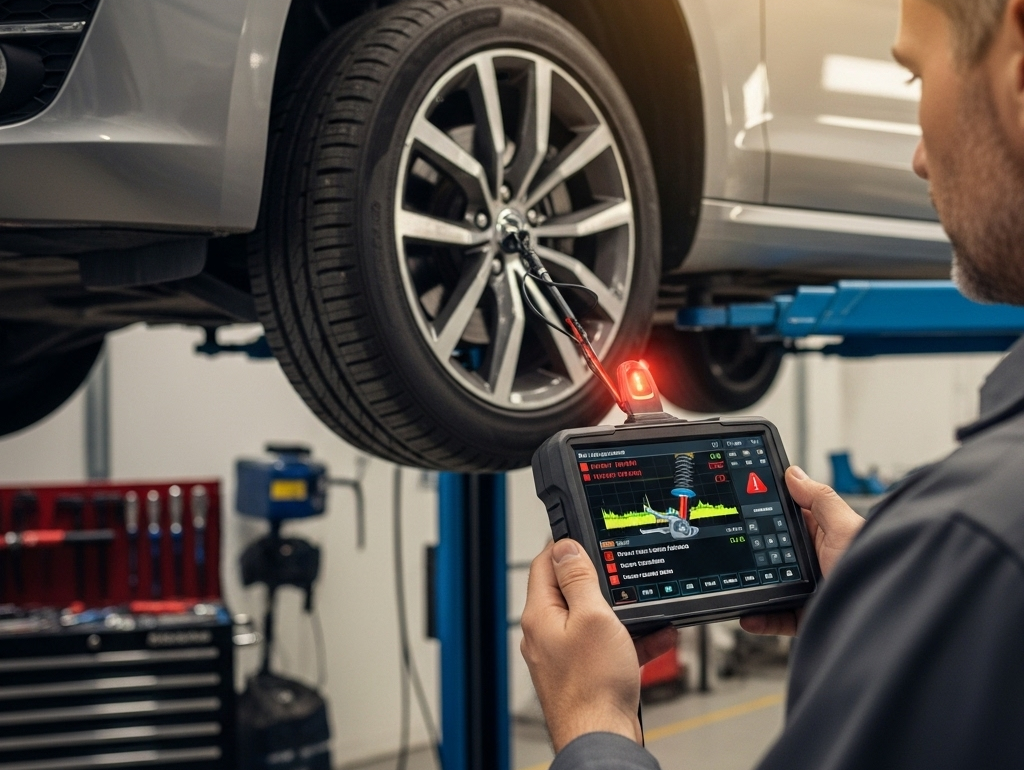
Examining Tire Pressure Monitoring Systems pressure monitoring devices in electric vehicles electric rides often needs more than solely visual inspection. Modern OBD2 analyzers offer remarkable ability to obtain TPMS data and recognize potential failures. Utilizing these instruments, technicians can interpret fault codes, examine sensor quality, and even implement sensor tests, allowing for prompt diagnosis of tire monitoring errors and minimizing vehicle unavailability. The is especially valuable given the surging complexity of EV architecture.
Exploring TPMS Signals: A Step-by-step Tutorial for Eurozone, Asia-Pacific, and the Continent
Successfully running wheel pressure devices among the Continent, Asian Subcontinent, and American Continent necessitates a thorough mastery of the diverse signal bands they work with. Contrary to a standardized system, different territories frequently follows specific frequency limits. Namely Europe predominantly depends on 315 MHz range and 433 MHz frequency range, while United States and Canada normally operates on hundreds fifteen MHz while some newer vehicles would incorporate four-three-three point nine two MHz. Asia shows a more complex picture, with many spectrum allocations operated, reliant on the state and electric vehicle scanner transport maker.
- Ponder territory restrictions regarding wireless signal.
- Check your car operating manual for precise band.
- Leverage a TPMS scanner equipped for understanding varied broadcasts.