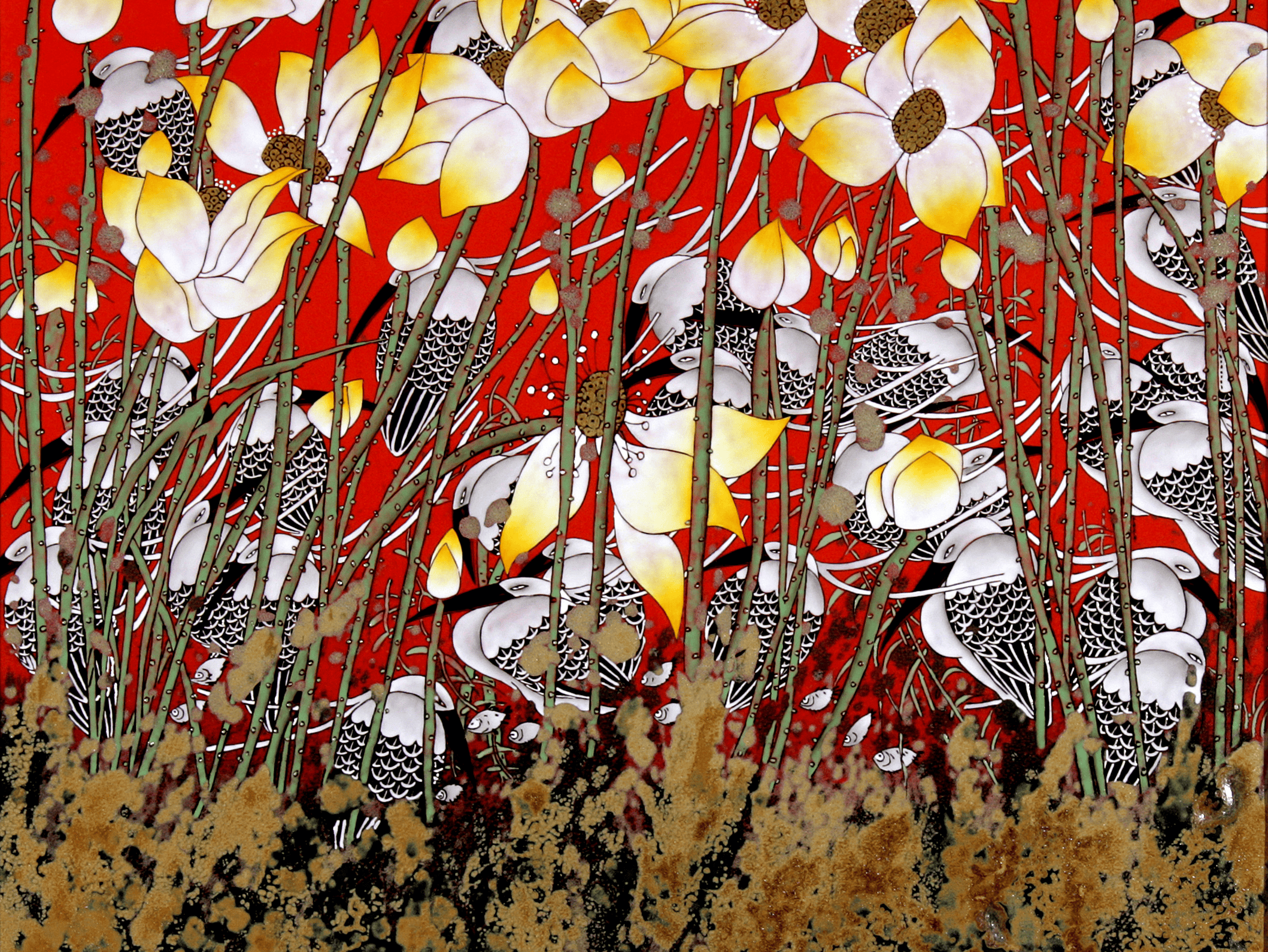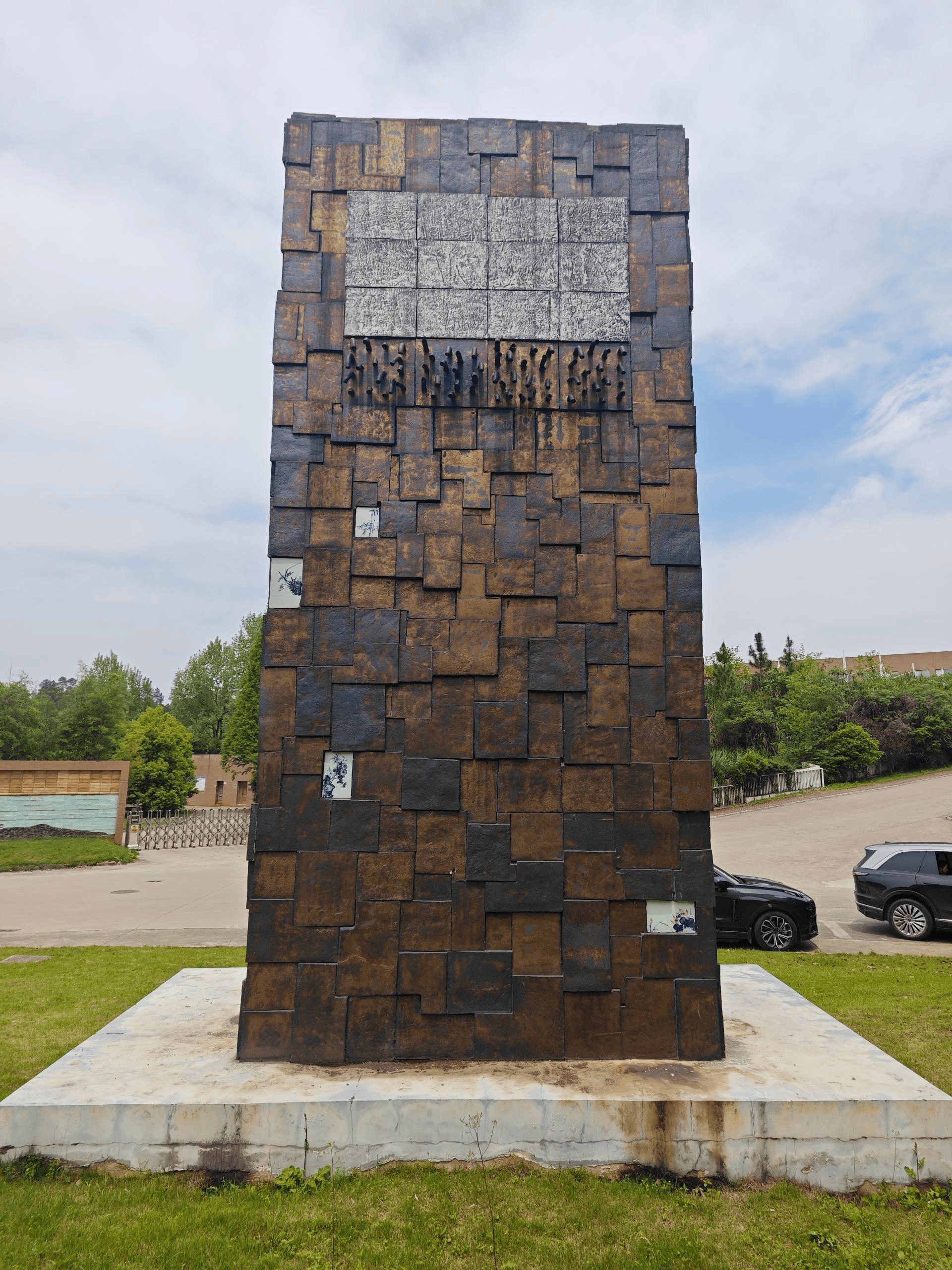
Porcelain sculpture expresses a impressive work type with a enduring legacy, reaching back innumerable of times. From ancient receptacles to present-day installations, the substance offers unique possibilities for creative manifestation. Makers adopt various techniques – including modeling, wheel rotating, and enhanced firing processes – to transform humble dirt into exquisite three-dimensional productions. The longevity of fired clay also contributes to its status as a truly timeless part of human custom.
Researching Pottery Panel Arrangements and Practices
The sector of ceramic plaque design offers a wide array of innovative possibilities. Creators often apply a integration of established and innovative techniques to create visually impressive pieces. These can span from simple, engraved reliefs to complex, multi-layered configurations. Standard methods include template molding, hand building, glazing – which can involve multiple types like initial glaze painting, post-firing embellishment, and engraved motif where designs are disclosed by abrading a layer of finish. More study into top layers such as rapid firing and sheen enhancement can result in truly remarkable and customized ceramic boards.
- Mold Fabrication - Generating pieces using a design
- Artisanal Molding - Accurately crafting the material
- Glazing - Applying the external area with a silky finish
- Engraved motif - Exposing designs by removing surfaces
Entrancing Experiences: Porcelain Art Exhibits
The evolving landscape of culture presents exciting cutting-edge avenues for participants, and ceramic art installations are at the forefront of this transition. These aren't just static objects; they are crafted to envelop the audience member in a sensory ambiance. Imagine being surrounded by a forest of towering, embellished ceramic trees, or navigating a complex of intricate ceramic vessels. Many producers are now incorporating tones, illumination, and even scent to enhance the atmosphere of their work. Contemplate the power of a room filled with hundreds of meticulously ceramic pieces, each telling a narrative. Habitually, such installations delve into themes of nature, nostalgia, and humankind.
- The mentioned installations blur the distinctions between figure and structure.
- Interacting with a ceramic art installation can be a deeply moving journey.
- Artists are redefining the limits of what is feasible with clay.
A Splendor of the Ceramic Jar: Meaning and Structure
The terracotta container represents a impressive combination of convenience and artistic appeal. Historically, these holders served a elementary task in maintaining flowers, but their transformation has transformed them into highly valued works of handiwork. Each item showcases the ability of the creator, demonstrating how shape can be as vital as application. The deliberate shaping, the uncommon glazes, and the comprehensive presence of a beautifully-crafted jar can boost a space, offering both elegance and a modest reminder of the designer’s hand.
Modern Porcelain Model : Pushing Horizons
Up-to-date porcelain design represents a fascinating evolution from conventional practices. Craftsmen are intensely experimenting with innovative processes, mixing the distinctions between form and various visual realms. From massive installations to complex miniature pieces, referenced works probe themes of identity while at the same time reshaping the nature of what earthenware can become. The effect is a active environment of inspired articulation.
Porcelain Plate: Upholding Record in Brick
Brick plaques offer a exceptional method for noting significant events and beings. Distinguished from traditional metal or stone markers, these hardwearing pieces of handiwork are formed from heated clay, creating a palpable link to the preceding days. Generally, they present intricate embossments or artistically decorated imagery, conveying stories Jingdezhen Ceramics that might otherwise be overlooked. This technique, dating back ancient populations, provides a lovely and eternal way to pay tribute to our collective legacy.
- These can be placed in general spaces.
- A multitude of are now classified historical treasures.
Pottery Art Assemblies: Remodeling Venues
Clay art installations are emerging a impactful medium for craftsmen to redefine public and private locations. These immersive projects frequently involve massive clay forms that attract viewers, transforming their experience of the developed environment. By integrating diverse processes like hand-building and advanced firing techniques, ceramic artists create truly singular experiences, challenging the thresholds between creation and architecture. The impact is often a impactful evolution that uplifts the stylistic quality of the setting and cultivates discussion.
Start Spin Tool to Spectacle: The Craft of the Porcelain Vase
The journey of a stoneware vase from a simple lump of mud to a finished work of mastery is a testament to human ingenuity. Previously, the process begins with the potter’s turntable, where the knowledgeable artisan crafts the rotary mud into a cylindrical profile. This initial period demands skilfulness and a trained eye, followed by a delicate solidifying period. Once bisque-fired, the jar is ready for detail work, which may feature coating intricate elements, etching detailed illustrations, or applying a selection of layers. The definitive heating process then converts the component into a durable and stunning urn, a tangible representation of the potter's dedication.
Crafting with Porcelain: A Guide to Clay Work
Plunging the sector of pottery creation begins with learning the tenets of molding with earthenware. This particular system calls for systematically adding and removing mass to build three-dimensional artifacts. Regardless of you're a starter or a master practitioner, experimenting with various sorts of ceramic material – for example ceramic – will support you detect your original signature. At last, terracotta shaping is a worthwhile quest that merges skilled know-how with expressive presentation.