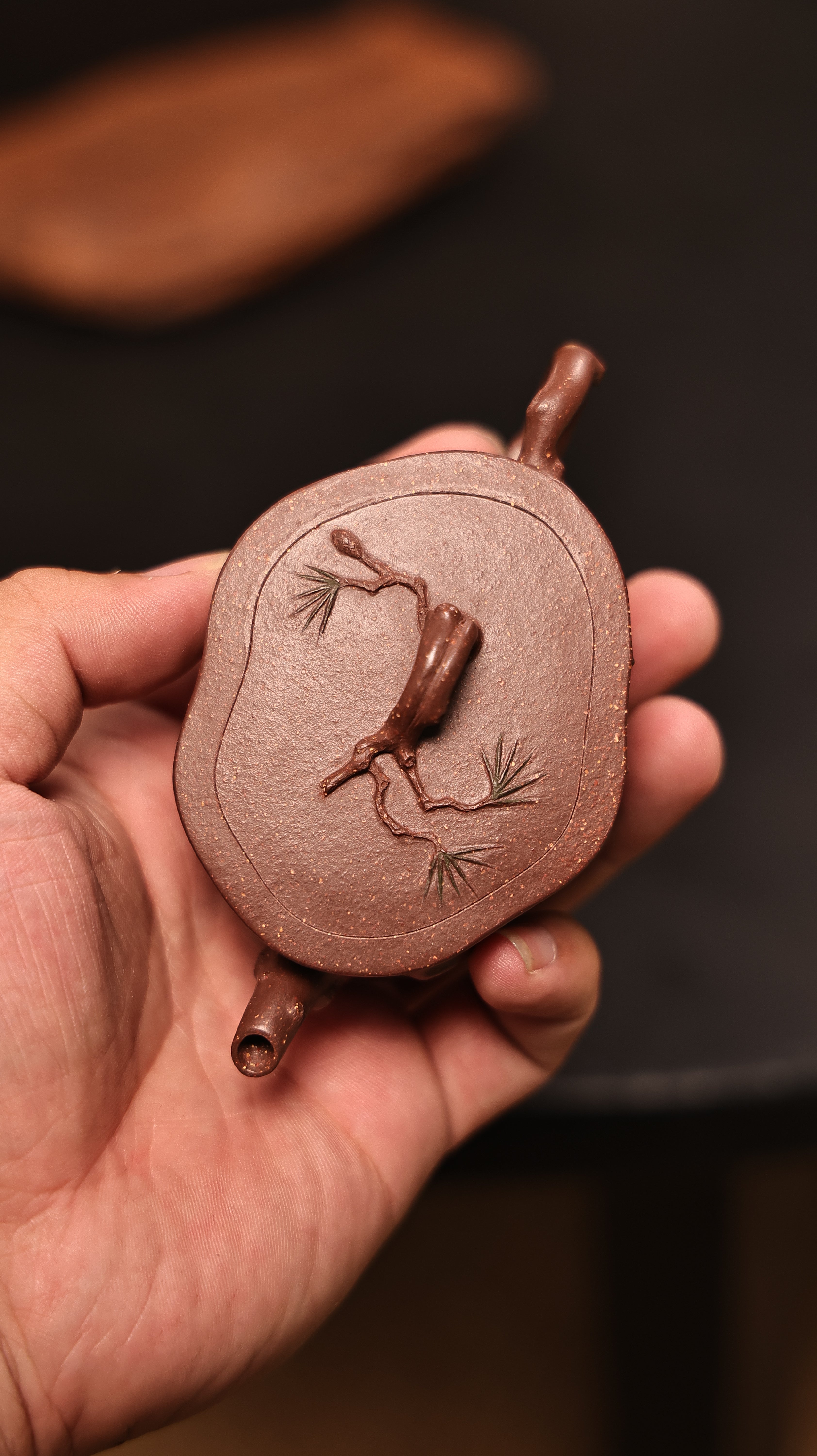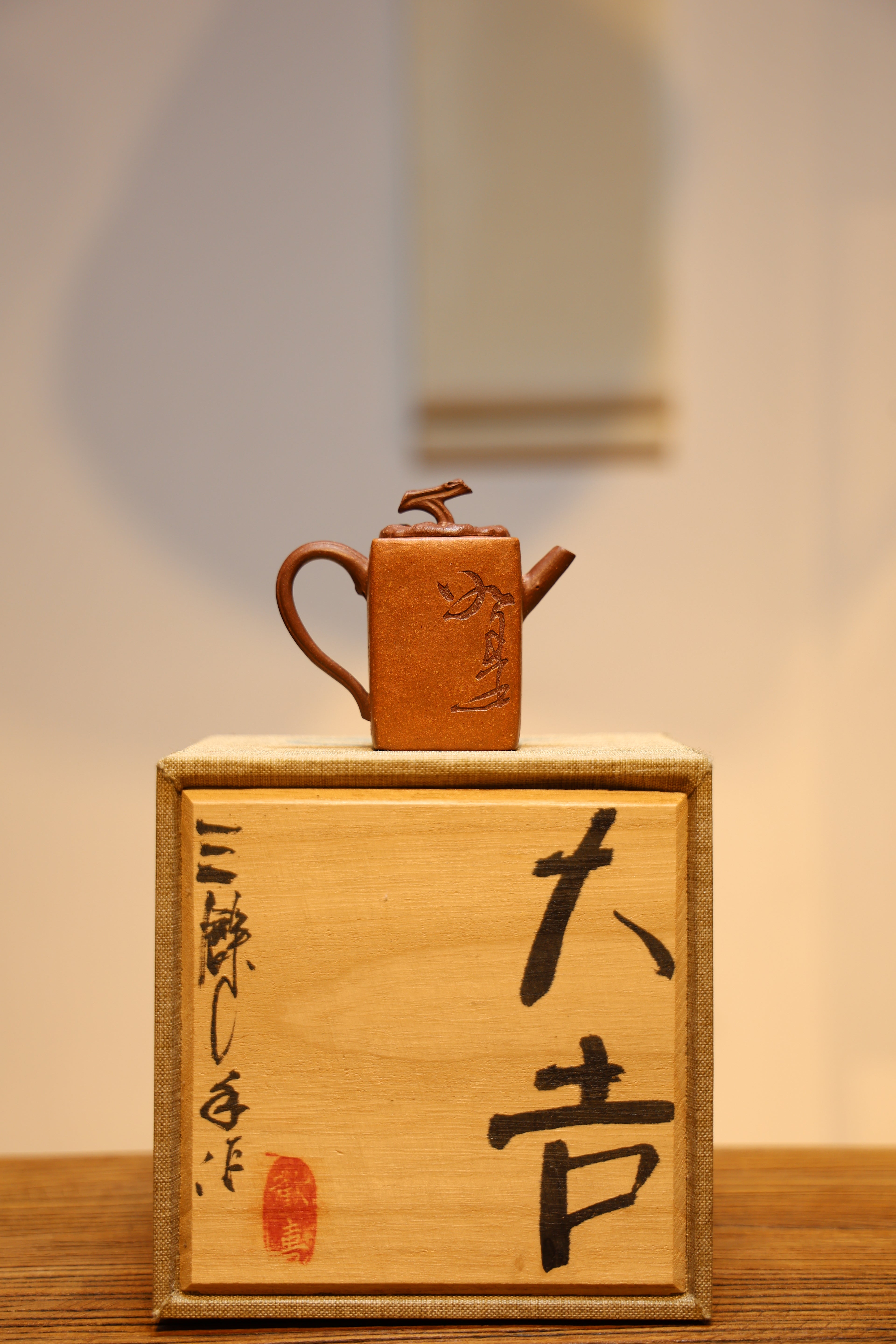
Unending heritage marks Minjiang teapots through ages,
Manifesting uncommon aspects drawn inside indigenous plum minerals, those jars build up a layer along practice, enhancing taste drawn from infused beverages.
Understanding Yixing Earth: Comprehensive Insights into Zisha
Multiple devotees value the special grain of Yixing violet clay, a foundation of classic Chinese pottery. Originating from the Yixing region of Jiangsu province, this notable clay shows an refined mineral configuration, such that gives remarkable qualities to the final pieces. Models within Zisha, including Hong Mud, Duan Ni Mud, and Jiang Xi Mud, each possesses different shades, materials, and processing traits, modifying the airflow and the conclusive taste refinement of the elixir.
Oriental Pottery Cultures: Understanding Mastery
Mandarin teapots embody over mere jars for brew; they represent centuries of customary mastery. From the distinguished Yixing clay variations, respected for their absorbent nature which imparts individual characters to the tea, to the graceful porcelain from Jingdezhen, each piece expresses a history of effort. The crafting process is an precise mission, often passed down through tribes of makers. These connoisseurs use historic techniques such as hand-building, sculpting on wheels, and decorating, demonstrating profound reverence for the component and the practice itself. Visualize the devotion invested in each piece as a symbol of Chinese tradition legacy.
- Eastern clay urns: a famous assortment.
- Translucent pottery teapots: noted for their lightweight design.
- Crafting techniques: a difficult yet fulfilling procedure.
Jiangsu Purple Vessel Upkeep: Preserving Your Precious Object
Suitable care of your notable Yixing Zisha pot is fundamental to boosting its longevity. Crafted from noteworthy purple sand compound, these exquisite teapots acquire a deep patina after service, decidedly boosting their allure. Avoid cleansers; a careful rinse with lukewarm moisture is efficient. Steer clear of hot water for scrubbing the teapot, as it may harm its composition. Allow it to desiccate away from excessive solar rays. Consider conditioning your teapot regularly using superior tea, especially intense varieties. Here is a brief summary:
- Cleanse with temperate aqueous.
- Shun soaps.
- Permit it to desiccate.
- Treat with top-grade tea.
Ancestry of Yixing Teapots: Commencement
The story of Yixing teapots starts simply during the Song dynasty, close to the 16th epoch. Initially, these objects were not the coveted objects they are perceived today. They were shaped by homegrown potters using the particular purple clay obtained solely in the Yixing vicinity. These early artworks were principally utilitarian, created for habitual utilization and often unpretentious in layout. It was not until the successive dynasty that they triggered to earn reputation beyond mere useful pottery.
Picking the Right Yixing Teapot: A Fundamental Overview
Navigating the universe of Yixing teapots can be challenging, but avoid concern! For novices, the central factor is understanding the sediment. Original Yixing clay is prized for its ventilation, allowing the teapot to retain the tea's flavor over time, heightening every extracting session. Ponder the design; traditional round shapes prevail, yet tailored preferences are important. Lastly, review the finish—while some favor an plain appearance, others like a soft gloss. Take your time in the decision process—this is an commitment in a cherished piece of creation.
Chinese Purple Containers and Their Power on Chinese Concoction Custom
Zisha teapots, produced from Yixing, China, have profoundly transformed traditional Chinese brew culture. Those Yixing clay teapots, prized for their characteristic tint, grain, and exceptional ability to impart a subtle accent to the brew, serve as more than mere devices; they are appreciated artworks and symbols of prominence. The very act of preparing and serving elixir using a Zisha teapot is steeped in heritage, elevating the experience beyond simple refreshment. Successions of artisans have mastered their techniques, passed down through families, resulting in highly esteemed pieces. As a result, Zisha teapots are frequently held, playing a crucial part in cultivating national appreciation for aesthetics and the ritual of drink ceremonies.
- Individual Clay Composition
- Transmitting Subtle Flavor
- Ornamental Craftsmanship
Distinguishing True Unique Local Vessels
Collecting a original Yixing teapot can be a enjoyable experience, but the realm is often plagued with imitations. Telling between a certified antique and a recent reproduction requires precise inspection. Key clues include the clay's mahogany shade, often displaying striped patterns, and the deficiency of modern kiln imprints. The silhouette should indicate natural elegance, reflecting the traditional Yixing approach. Finally, checking the potter's seal is key to verify authenticity against recognized literature.
- Assess the clay's texture.
- Look for blemishes, indicative of bespoke quality.
- Utilize an specialist for appraisal.
Committing to Yixing Ceramic Vessels: A In-Depth Instruction to Zisha Understanding
The field of Purple Zisha pieces offers a distinct opening for experienced supporters. Consistently, the value of Yixing Zisha Teapot these artisanal artifacts is affected by multiple considerations, such as the standard of composition, the talent of the builder, the historical significance, and, naturally, the present trade. Newcomers should prioritize on researching the diverse categories of Zisha clay—such as Glacial, Tranquil Vessel, and Scarlet Earth—and familiarizing the characteristics linked to each. Precise appraisal of the object's profile, pigment, and imprint is equally important to make astute choices when investing.