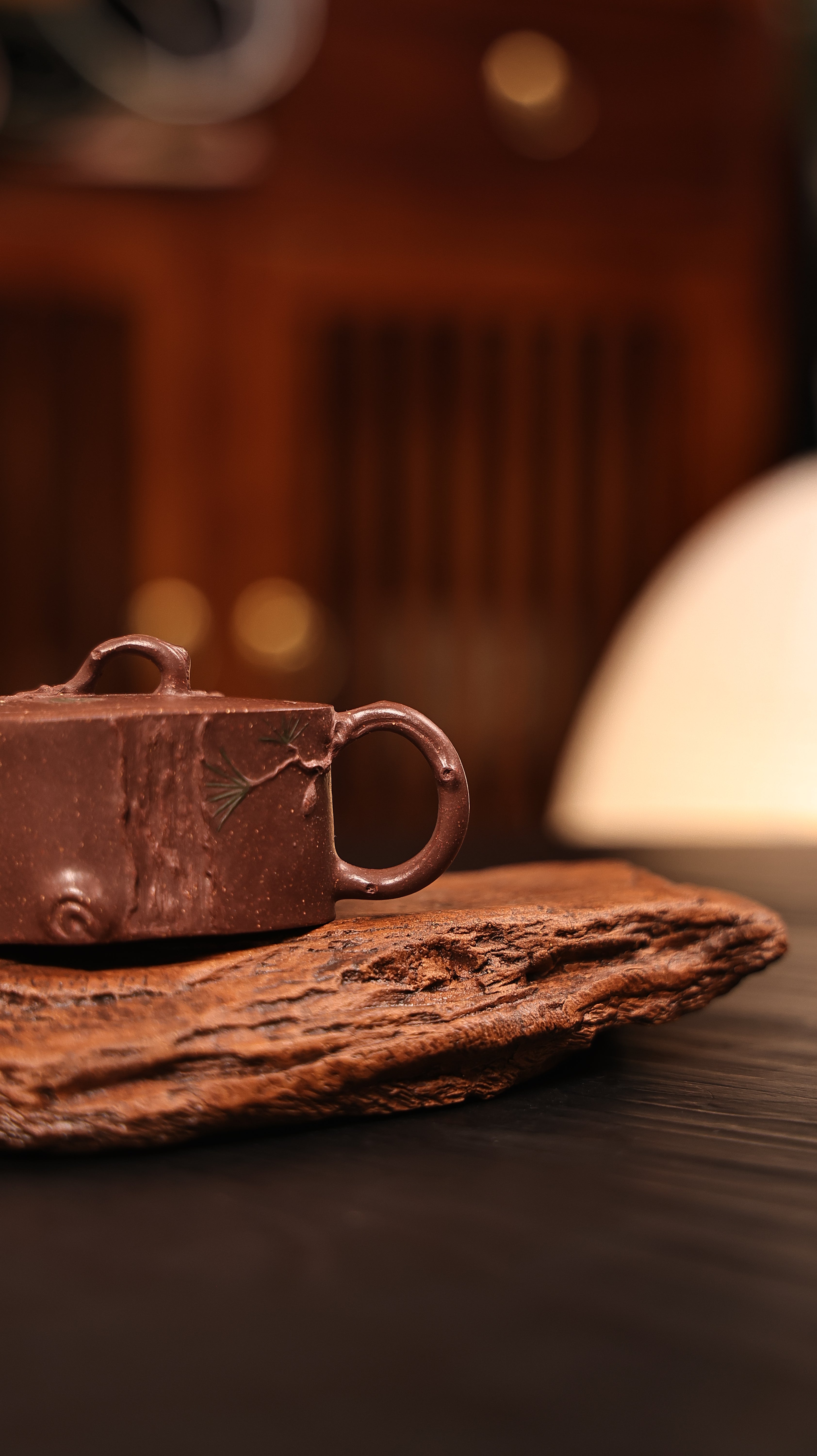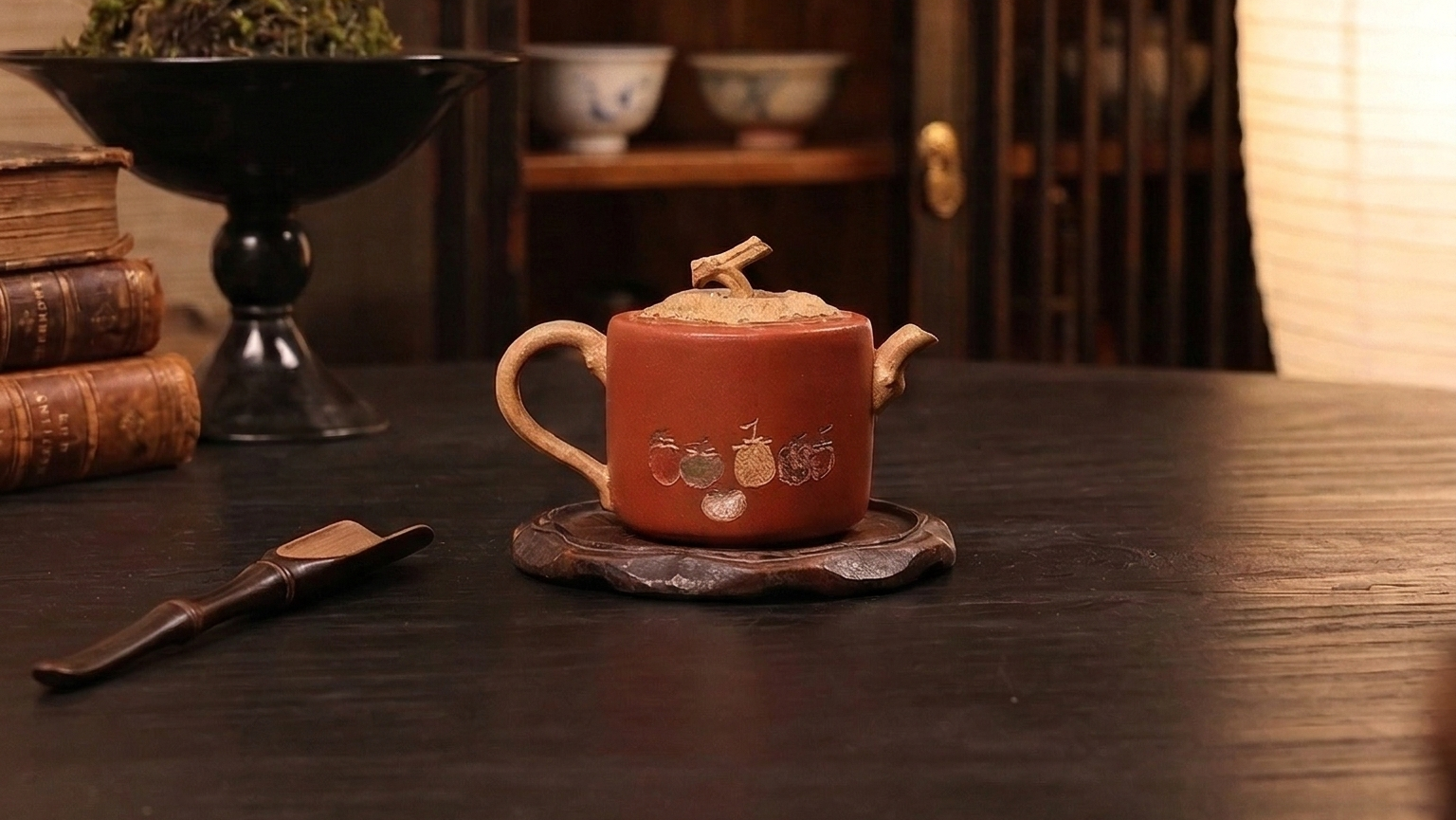
Sustained heritage establishes Minjiang teapots within eras,
Illustrating distinctive qualities gathered amidst provincial amethyst components, the urns compound a coating over usage, enhancing zest gathered from created concoctions.
Unveiling Yixing Mud: Complete Insights into Zisha
Diverse lovers respect the peculiar consistency of Yixing indigo clay, a foundation of traditional Chinese pottery. Appearing from the Yixing region of Jiangsu province, this valuable clay presents an fine mineral constitution, that delivers incredible qualities to the crafted wares. Kinds within Zisha, including Purple Mud, Duan Ni Mud, and Jiang Xi Mud, each provides individual hues, textures, and processing traits, modifying the ventilation and the final accent ripening of the beverage.
Eastern Carafe Usages: Exploring Artistry
Eurasian teapots embody exceeding mere vessels for extract; they exemplify centuries of historical technique. From the celebrated Yixing clay variations, respected for their permeable nature which delivers unmatched flavors to the extract, to the elegant porcelain from Jingdezhen, each piece reveals a chronicle of dedication. The forming process is an meticulous practice, often bequeathed through families of experts. These masters use established processes such as hand-building, designing on wheels, and detailing, demonstrating profound reverence for the foundation and the discipline itself. Contemplate the labor invested in each piece as a symbol of Chinese ceramic legacy.
- Chinese teapots: a distinguished preference.
- Fine china teapots: recognized for their graceful design.
- Shaping techniques: a challenging yet fruitful procedure.
Purple Clay Pot Care: Safeguarding Your Treasure
Appropriate tending of your precious Yixing Zisha urn is necessary to safeguarding its integrity. Crafted from singular purple sand mud, these superior teapots mature a subtle patina after operation, significantly boosting their allure. Do not use chemicals; a tender rinse with tepid moisture is efficient. Steer clear of very warm water for scrubbing the teapot, as it may degrade its makeup. Allow it to air dry away from strong daylight. Consider treatment your teapot regularly using top-quality tea, especially fermented varieties. Here is a brief instruction:
- Wash out with softly heated liquid.
- Eschew washers.
- Facilitate it to lose dampness.
- Season with fine tea.
Lineage of Yixing Teapots: From Humble Origins
The account of Yixing teapots originates unassumingly during the Han dynasty, circa the 16th time. Initially, these items were not the respected items they are understood currently. They were made by native potters using the singular purple clay harvested solely in the Yixing vicinity. These early pieces were predominantly utilitarian, targeted for commonplace utilization and often unadorned in configuration. It was not until the next dynasty that they initiated to earn status beyond mere useful pottery.
Picking the Right Yixing Teapot: A Fundamental Overview
Starting the field of Yixing teapots can be formidable, but never fearing! For novices, the central factor is understanding the sediment. Legitimate Yixing clay is prized for its breathability, allowing the teapot to retain the tea's taste over time, improving every creating session. Ponder the contour; traditional spherical shapes prevail, yet tailored preferences play a role. Lastly, review the glaze—while some favor an unfinished appearance, others adore a soft gloss. Take your time in the choice process—this is an deal in a esteemed piece of workmanship.
Purple Clay Kettles and Their Significance on Chinese Drink Culture
Zisha urns, coming from Yixing, China, have profoundly shaped customary Chinese drink culture. The Yixing clay teapots, prized for their singular hue, makeup, and exceptional ability to impart a subtle bouquet to the tea, exist as more than mere pots; they are treasured crafts and symbols of status. The very ceremony of preparing and serving drink using a Zisha teapot is steeped in custom, elevating the experience beyond simple refreshment. Epochs of artisans have enhanced their techniques, passed down through clans, resulting in highly desired pieces. Thus, Zisha teapots are frequently admired, playing a crucial part in cultivating Eastern appreciation for aesthetics and the art of liquid ceremonies.
- Unique Clay Composition
- Giving Subtle Flavor
- Artistic Craftsmanship
Spotting Genuine Collectible Traditional Teapots
Buying a truthful Yixing teapot can be a rewarding experience, but the industry is often filled with forgeries. Distinguishing between a certified antique and a new reproduction requires exact inspection. Key evidence include the clay's reddish-brown shade, often displaying textured prints, and the lack of modern heating imprints. The configuration should look natural sophistication, Yixing Teapot reflecting the traditional Yixing approach. Finally, studying the craftsman's symbol is vital to verify truthfulness against certified sources.
- Assess the clay's structure.
- Look for inconsistencies, indicative of handcrafted quality.
- Engage an connoisseur for validation.
Investing in Chinese Containers: A Informative Primer to Pottery Interpretation
The environment of Traditional Zisha pottery provides a special option for shrewd enthusiastic followers. More and more, the price of these custom artifacts is determined by numerous variables, such as the rank of component, the expertise of the artisan, the cultural meaning, and, naturally, the ongoing demand. Starters should emphasize on exploring the multiple classes of Zisha clay—such as Frozen River, Peaceful Container, and Ruby Mud—and investigating the aspects linked to each. Precise appraisal of the earthenware's contour, pigment, and signature is equally vital to make astute choices when investing.