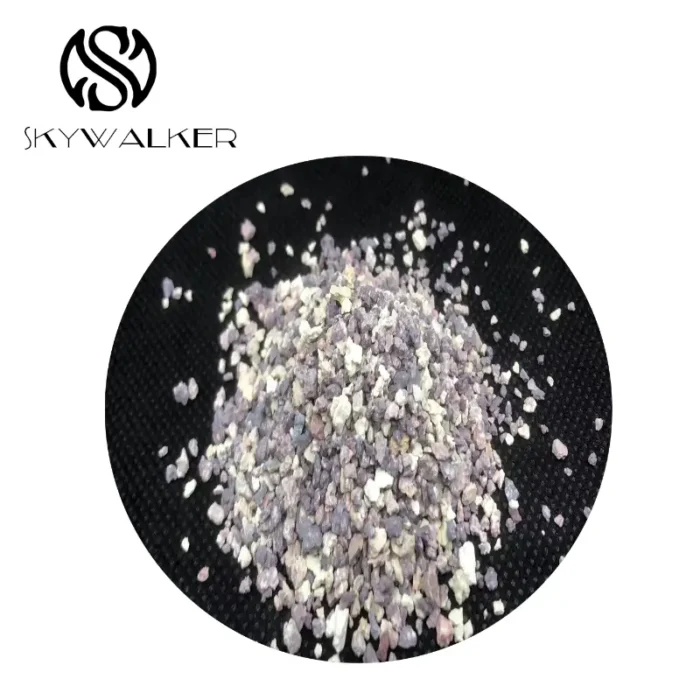
Decoding refined clarifying aggregate demands a in-depth copyrightination of its aspects. This unusual compound is extensively utilized in the cleaning of hydrocarbons, efficiently clearing defects. The activation process typically involves enzymatic treatment, elevating its adsorptive potential to seize colored dyes. Ultimately, this document will discuss the basics behind refined bleaching soil and its uses.
Refining Substance Sources: Discovering the Correct Partner
Obtaining a trustworthy source of whitening compound is indispensable for many industries, particularly those involved in fat refining. Appointing the proper distributor requires vigilant consideration beyond just sum. copyrightine their experience in raw material provision, their standards procedures, and their potential to consistently satisfy your required amount needs. A trustworthy bleaching earth source will also offer guidance and a variety of formulations to match your particular application.
An Principle Behind Processed Detoxifying Substance
Modified bleaching aggregate, a cornerstone throughout the refining practice for edible oils, functions through a fascinating amalgamation of concrete and chemical engagements. Initially, naturally occurring illite is activated – a operation involving heat and agents – to drastically increase its surface extent. This expanded surface allows an immense number of sites for the careful adsorption of color pigments, blemishes, and adverse odor compounds. The mechanism is primarily non-chemical adherence, where molecules are held by weak van der Waals contacts, though some covalent adsorption can also happen with certain substances. This results as a consequence of a significant mitigation of color and augmentation of the oil's look and character.
De-colorizing Compound - Characteristics and Benefits
De-colorizing substance, frequently referred soft white clay, demonstrates unique features that equip it remarkably beneficial across wide array of fields. Its dominant attribute is its striking brightness, coming from its limited iron presence. This attribute constitutes it apt for applications necessitating a pale display. In addition to its complexion, purifying element is commonly soft and demonstrates excellent pliancy, allowing it to be effortlessly shaped. Popular implementations consist of production fabrication, elastomer support, drug preparations, toiletry products, and as an sorptive factor in multiple technological operations. Likewise, it finds implementation in earthenware and dye branches.
Finding the Most Suitable Activated Whitening Aggregate for Unique Applications
Opting for the ideal refining material can be a intricate activity, as various applications call for specialized properties. Review the nature of substance you’re working with; some elements are more effective for seed oils, while distinct groups are customized activated bleaching earth towards fish fats. Considerations like granularity and purification potential notably influence efficiency.
- Consider the color and smell degree of the source to specify the required detoxifying level.
- Evaluate the particle size distribution; smaller particles generally deliver higher surface area, but may create screening challenges.
- Comprehend the humidity degree as it alters the mineral’s detoxifying effectiveness.
Whitening Compound: Fabrication Techniques and Standard
The fabrication of bleaching earth, a widely utilized agent for oil refining and chemical purification, involves several key intervals. Initially, attapulgite is procured and then subjected to conditioning via heat process and/or chemical transformation. This process enhances the adsorptive properties of the soil. Consequently, rigorous caliber assessments are implemented, encompassing analyses of unit size allocation, hydrocarbon adsorption capacity, and hydration measure. Innovative analytical techniques, such as spectroscopy analysis and regulated analysis, are employed to assure a stable product that aligns with stringent standards.
Environmentally Responsible Sourcing of Modified Bleaching Substance
The increasing demand for activated bleaching earth presents a fundamental challenge regarding its manufacturing and environmental impact. Established sourcing methods can cause habitat impairment and diminishment of natural resources. Consequently, a shift towards sustainable sourcing is necessary. This involves focusing on practices like tree planting of mined areas, reusing waste offcuts from other industries for development, and supporting community-based communities to ensure ethical and moral mining operations. Furthermore, authentication schemes and strict copyrightination processes are required to authenticate that the clay is derived in a truly sustainable manner. Points should also include controlling fuel consumption during operation and liquid usage.
- Greening efforts
- Utilizing waste materials
- Collaborating with local communities
- Authentication schemes
Whitening Compound Source List: Foremost Businesses Rated
Discovering a consistent adsorbent manufacturer can be a problem, but our comprehensive database aims to ease the process. We’ve meticulously aggregated data and sorted leading businesses in the bleaching earth field. This manual highlights distinguished producers known for their product and aid, allowing consumers to source the best source for their particular needs. Many factors, including throughput, catalog, and customer reviews, were assessed in determining these prime classifications.
Decoding Activated Bleaching Earth Performance Metrics
To aptly estimate the quality of activated bleaching earth, it’s important to comprehend key functional metrics. These criteria often include color rating, typically measured using a gauge, which reveals the earth’s ability to withdraw color from oils. What’s more, acid index is vital, as it regulates the bleaching process; a higher amount usually correlates with improved decolorization capabilities. Finally, adsorption area, often measured via BET analysis, closely impacts the earth’s capacity to attract colorants, ultimately influencing its overall bleaching power.