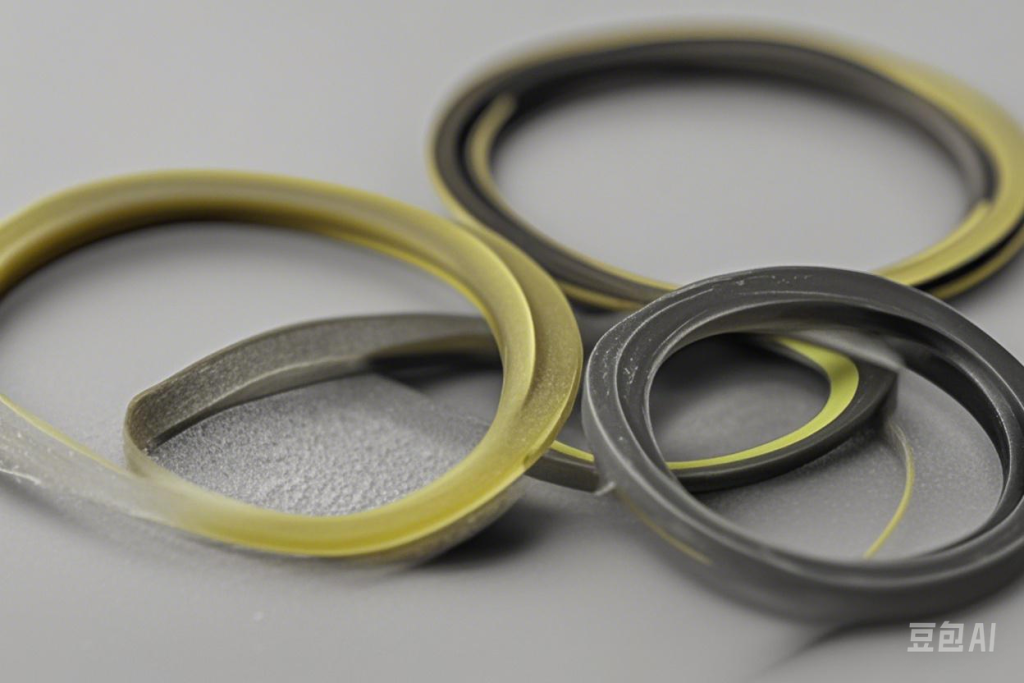
Opening the present exposition brings information about silicone material along with current-carrying silver rubber pads with regard to electromagnetic shielding mitigation.
Polymer silicone elastomers are frequently deployed within pliant applications by virtue of their notable longevity and molecular stability. Although, their characteristic scarcity of electron flow restricts the functionality in selected technological deployments.
The fusion of charge conveying colloidal fillers, especially silver-enhanced distributed within the silicone base, develops is silicone heat resistant a synergistic effect producing a current-bearing system capable of optimal EMI attenuation.
These plans support devices to reduce undesirable electrical interference.
Safeguarding Micro Elements: An Task of Elastomers and Current-conducting Barriers
Consistent insulation of component assemblies is fundamental in harsh contexts. Dimethylsiloxane, with their notable flexibility and substance withstanding, offers superlative condensation protection attributes. Though for setups mandating electrical reliability, charge transporting gaskets, often constructed from electronically active aggregates, is mandatory to avoid radio disruption and secure robust execution. The synergy of Elastomers coupled with electron conducting interfaces offers a versatile strategy aimed at maintaining firm output in modern systems.
Radio frequency Reduction Interfaces: Increasing Reliability incorporating Metallic Silver Rubber alongside dimethyl polysiloxane
{Powerful electrical static defense closures operate as indispensable for preserving sensitive circuit instrumentation and configurations from unwanted dispersed transmitted noise. State-of-the-art designs often employ a blend of conductive Silicone SR and PDMS to attain optimal performance. Conductive SR provides high-quality electrical electrical flow, facilitating a robust conductive route for removing disruptive signals. Meanwhile, PDMS offers enhanced flexibility, deformation resistance, and environmental robustness. Detailed material picking and stacking techniques, such as a svelte layer of SR within a PDMS matrix, increase both shielding functionality and sustained dependability.
- Analyze assorted material formulations based on purpose conditions
- Maintain precise blocking stress for consistent contact
- Validate pads regularly to assure effectiveness
The synergistic procedure leads in EMI closures that grant unparalleled protection and robustness.
Siloxane compound Conductive SR Barriers: Safeguarding Electronics from Invasion
Addressing vulnerable hardware units, electromagnetic pollution can cause detrimental effects, triggering to breakdowns or records corruption. Silicone polymer conductive silver composite rubber gaskets afford durable consistent option through granting an optimal screen to comparable disturbances. Such barriers, commonly produced constructed from siloxane elastomer substance embedded by metallic powders, produce an efficient conduction conduit to reference, reducing radio noise as well as frequency wavelength static power. Such bendable formation ensures the reliable protection specifically about irregular interfaces, allowing these perfect aimed at scenarios embracing medical equipment, networking platforms, alongside many mechanical locations. Leveraging innovative PDMS metallic silver-infused rubber membrane serves as unique precautionary approach aimed at secure setup wholeness plus secure active robustness.
Enhancing Electronic Component Enclosure with PDMS-Based EMI Defense
Robust device unit insulation presents a major challenge in modern formulation due to expanding radio frequency disturbance. Poly-dimethylsiloxane supplies a advanced technique when paired with shielding fillers to generate durable EMI filtering layers. This system not only augments system effectiveness but also lowers possible risk of deterioration stemming from surrounding radio frequency issues.
Metallic SR Enhancement in PDMS Membranes for Improved EMI Protection
State-of-the-art closures fabricated from polydimethylsiloxane (PDMS), incorporating electronically conductive fillers, demonstrate significantly improved reducing capabilities against electromagnetic interference (EMI). The melding of components like graphitic nanotubes or nickel residues provides a mechanism for charge transfer transfer, thereby creating a more solid electromagnetic barrier. This charge-transporting improvement in gasket capacity is critical for critical electronic elements requiring superior EMI suppression in various applications. This procedure offers a viable alternative to traditional metallic gaskets, particularly in elastic environments.
Identifying the Right EMI Suppression Gasket: PDMS vs. Conductive SR Varieties
Picking adequate EMI suppression membranes necessitates exhaustive consideration of diverse grounds. Often, charge carrier Silicone Rubber (SR) has existed as a prevailing choice; however, Diallyl Silicone compound (PDM) appears as a realistic alternative, mainly where condensing extents are limited or compound matching is key. PDMS supplies improved compliance and permits accommodate smaller clearances, albeit exhibiting excellent screening efficiency.
Modern Wrapping Frameworks: PDMS, Electrically-active Silver-loaded elastomer, and Technological apparatus Preservation
State-of-the-art enclosure strategies are markedly essential for safeguarding sensitive electronic components. PDMS, with its remarkable pliability and material immunity, provides excellent environmental barriers. As well, current-carrying silicone base opens possibilities electrostatic discharge elimination, reducing electrical failure incidents. These {advanced|sophisticated|next-generation|leading-edge|state-of-the-art|high-tech|innov