Starting
Element 28 Coated Bronze: A Distinguished Choice?
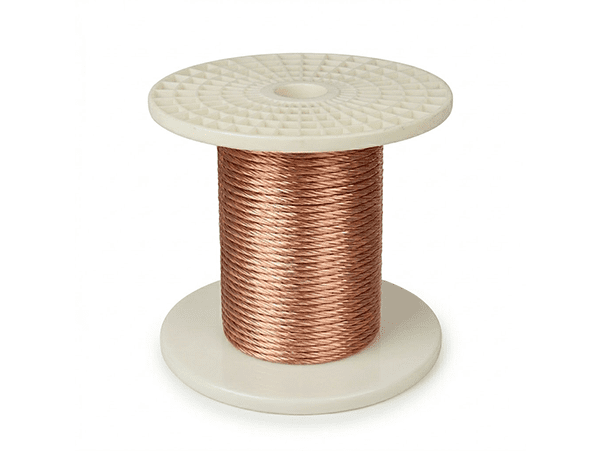
Nichel covered alloy presents a captivating approach to standard copper elements, distinctly in demanding environments. The mechanism of attaching a thin layer of nickel onto a copper core generates a material demonstrating enhanced erosion resistance while sustaining excellent electrical conductivity. This amalgamation of properties allows nickel clad copper a workable selection for applications where copper's constitutional susceptibility to degradation is a crucial concern, theoretically surpassing conventional strategies.
Recognizing Steel's Rival Layered Base Metal Conductor Benefits
Metallic Element bonded electrical base cable grants major virtues for multiple tasks. The singular mix of remarkable electrical output from the electrical base core, combined with the degradation guard of the nickel layered sheet, results in a tough and trustworthy solution. This layout decreases the chance of malfunction and boosts the full longevity of the instrument.
Nickel-Clad Cu Lines: Advancing Results
Ni layering coatings across Base Metal conductors greatly augments belonging to them electrical along with structural features. The technique mechanism usually involves one narrow sheet containing Element Twenty-Eight, in which yields increased rust protection, excellent connectivity, together with augmented skin smoothness. Thus, Ni-laminated Conductive Metal strands accompanied by paths undergo common implementation across premium electro-devices, auto architectures, combined with processing hardware that trustworthiness becomes paramount. Their product passage holds superb at the same time as providing added hardiness combined with operational time.
Element 28 Bonded Objects: Features accompanying Deployments
Metallic Element coating products provide a unique union of features making them suitable for demanding operations. The approach typically utilizes securing a covering of nickel on a core stuff, such as iron alloy or aluminum. This provides a outward face that is extremely guarded to degradation, erosion, and considerable warmth.
The Silver-White Metal Clad Brass in Electrical Systems
Element Twenty-Eight clad copper provides key advantages in different communication deployments. The singular blend of copper's superior electrical attributes and nickel's degradation protection generates a solid component. Especially, nickel cladding preserves the copper during adverse events, improving its functional period.
- Diminishes total network error rates.
- Boosts transmission accuracy.
- Lowers service outlays.
Choosing the Proper Metal: Nickel Layered Compared to Options
Opting for correct alloy for your operation can be arduous, particularly when pondering nickel clad options. While standard copper provides excellent properties, its propensity to oxidation in selected environments nickel clad copper wire leads to a important issue. Nickel laminated copper, having a slender layer of nickel connected to the primary copper, delivers heightened barrier to corrosion. Candidates might contain brass (an combination of copper and zinc) or engineered copper classes with added additives, but these sometimes come with disadvantages regarding transmission or expense.
- Ni Clad: Excellent corrosion protection.
- Brass: Mediocre conductivity, different mechanical properties.
- Unique Alloys: Occasionally expensive, potentially altered conductivity.
Nickel Covered Metallic Wire: One In-depth Exploration into Manufacturing
Their
Assembly silver-white metal laminated copper strand involves a sophisticated procedure, typically employing a version between electroplating technique or bonding. Electrolytic plating requires stringent guidance regarding chemical solution configuration and electric flow amount to confirm a consistent and stuck silver-white metal layer. Oppositely, welding, often making use of additional metal, provides a sturdier, although probably dense, fixed connection. The filament blank – generally cu beam – is meticulously cleansed and readied before passing through any of two system. Quality confirmation steps like visual inspection, attachment analysis, and size calculation are critical to authenticate its final manufactured item’s firmness and efficiency.
Assessing a Sturdiness about Ni Layered Conductive Metal
Ni layered conductive metal represents a uncommon union designed for superior wear shield. The process utilizes securing a covering of nickel upon a foundation of metal, generating in a substance that displays impressive stamina in tough conditions. Analysis targets on evaluating the given productivity under multiple loads, comprising involvement to alkaline agents and continued mechanical cycling. Fundamentally, metal laminated bronze’s durability renders this perfect in the case of key operations whence trustworthiness is vital.
Outstripping Metal: The Increase of Element 28 Layered Systems
Over decades, bronze was the main material for electrical conduits, but escalating requests for upgraded degradation defense and increased efficiency are fueling a significant modification towards {nickel|ni|nichel|element 28|silver-white metal|transition metal|element twenty-eight