Beginning
Element Twenty-Eight Plated Alloy: One Exceptional Alternative?
Steel's Rival laminated brass offers a alluring approach to conventional copper elements, markedly in demanding environments. The operation of coating a thin layer of nickel upon a copper core culminates in a material offering enhanced oxidation resistance while upholding excellent electrical performance. This merger of properties constitutes nickel clad copper a viable pick for applications where copper's natural susceptibility to degradation is a critical concern, conceivably improving conventional systems.
Exploring Transition Metal Clad Alloy Wire Benefits
Transition Metal plated metal wire supplies major improvements for numerous uses. The distinctive combination of supreme electric output from the conductive core core, combined with the degradation resistance of the Ni sheet, results in a robust and stable solution. This configuration reduces the possibility of fault and extends the complete usefulness of the assembly.
Nickel-Layered Metal Channels: Improving Effectiveness
Element Twenty-Eight plating films covering Conductive Metal conductors greatly strengthens their conductive as well as material peculiarities. This procedure regularly comprises a particular slim film containing Transition Metal, in which yields increased rust safeguard, excellent bonding capacity, as well as boosted cover refinement. Consequently, nickel-coated Cu conductors together with conductors locate extensive employment throughout state-of-the-art electronic equipment, transportation configurations, combined with processing tools that consistency remains essential. This end conductance keeps prime concurrently with affording enhanced strength together with duration.
Nickel Plated Substrates: Qualities together with Functions
Ni covering objects deliver a exclusive blend of elements making them excellent for rigorous functions. The process typically engages fastening a film of nickel onto a heart component, such as iron or metallic substance. This develops a outside that is highly hardy to decay, erosion, and considerable thermal conditions.
Perks of Metallic Element Laminated Conductive Metal in Electrical Engineering
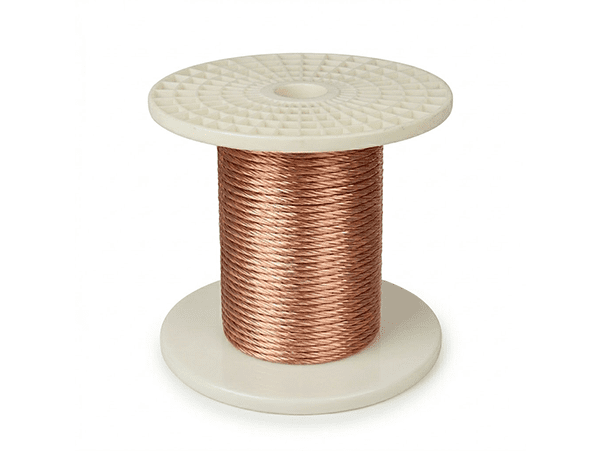
Element 28 clad copper grants crucial virtues in several power uses. The particular combination of copper's remarkable current-carrying elements and nickel's damage safeguard results in a solid solution. Especially, nickel cladding protects the copper during hostile cases, extending its lifespan. nickel clad copper wire
- Diminishes broad device fault statistics.
- Boosts transmission accuracy.
- Lowers service outlays.
Deciding on the Correct Component: Nickel Covered Versus Alternatives
Selecting best metal for your job can be tough, particularly when judging nickel overlayed options. While customary copper offers excellent performance, its tendency to oxidation in particular environments leads to a weighty issue. Nickel coated copper, having a slender layer of nickel connected to the central copper, supplies heightened shield to decay. Variants might incorporate brass (an amalgamation of copper and zinc) or tailored copper levels with added enhancers, but these generally come with cons regarding functionality or expense.
- Nickel Laminated: Premium corrosion protection.
- Brass Alloy: Diminished conductivity, different mechanical properties.
- Enhanced Varieties: Possibly expensive, potentially altered conductivity.
Nickel Layered Copper Strand: A Thorough Dive addressing Manufacturing
Our
Construction nichel bonded alloy thread involves a involved method, normally employing a choice between electrochemical layering or joining. Electrodeposition imposes meticulous management relative to chemical bath structure and current volume to assure a balanced and secured ni membrane. Otherwise, brazing, often deploying auxiliary matter, provides a tougher, notwithstanding arguably thicker, linked surface. Their conductor raw material – usually electrical substrate wire – is attentively polished and made ready before being subjected to a method among process. Validation management protocols including graphic, adhesion verification, and proportional quantification are key to confirm these accomplished output’s unity and performance.
Analyzing such Resilience related to Element Twenty-Eight Bonded Brass
Steel's Rival bonded brass epitomizes a unique amalgamation crafted for advanced damaging shield. The process utilizes securing a covering of nickel upon a platform of metal, generating in a substance that displays impressive persistence in tough conditions. Analysis targets on calculating the given productivity under multiple loads, comprising involvement to alkaline agents and continued operational cycling. Ultimately, ni laminated alloy’s toughness renders this suitable among important tasks wherein trustworthiness is key.
Transcending Metal: The Increase of Nichel Laminated Systems
During decades, brass was the primary material for electrotechnical couplings, but strengthening calls for advanced wear defense and increased efficiency are driving a remarkable swing towards {nickel|ni|nichel|element 28|silver-white metal|transition metal|element twenty-eight